
Resale value is consistently the single biggest hesitation South African buyers raise about Chinese brands, Changan included. It is a fair concern. Depreciation eats into your wealth quietly, and nobody wants to discover three years too late that they bought into a brand the used market does not want.
The good news is there is now real data to look at rather than guesswork. Chinese brands have been in South Africa long enough that some of the best-selling models have three to four years of resale history behind them. This guide breaks down what the data actually shows, where Changan specifically stands given its newness, and what you can do to protect your resale value regardless of which Chinese brand you choose.
How Big Is the Chinese Brand Shift, Really?
Context matters here. Chinese brands now account for more than 17% of new passenger vehicle sales in South Africa, up from a fraction of that just a few years ago, according to TransUnion’s Q4 2025 Mobility Insights Report. That scale matters for resale specifically: a bigger new-car market today means a bigger pool of used buyers in three to five years, which is one of the structural factors that supports resale value over time.
This is the first reason resale anxiety around Chinese brands is becoming less justified with each passing year. A brand selling thousands of units a month today is building the used-car demand pool that determines resale value tomorrow.
What the Actual Depreciation Data Shows
This is where the numbers get genuinely useful. Cars.co.za’s Industry Report, produced with TransUnion vehicle valuation data, tracked 3-year depreciation on 2022-model vehicles across both Chinese and legacy brands. The results were more encouraging for Chinese brands than most buyers expect:
In the compact crossover segment, the Toyota Corolla Cross posted the strongest residuals at roughly 15% depreciation over three years. But the Chery Tiggo 4 Pro and Haval Jolion both depreciated under 30%, which actually outperformed several established rivals including the Renault Duster, Kia Seltos, Mazda CX-3 and Hyundai Creta.
In the larger family-crossover class, the Chery Tiggo 7 placed third overall behind only the Volkswagen Tiguan and Toyota RAV4, with roughly 25% depreciation over three years. That beat the Kia Sportage, Mazda CX-5 and Hyundai Tucson in the same dataset.
On bakkies, the picture was closer to parity: the GWM P-Series depreciated around 30% against the Toyota Hilux’s roughly 24%, and the Ford Ranger sat in similar territory to the GWM. The honest takeaway: Chinese brands generally depreciate somewhat faster than Toyota specifically, but the gap is narrower than most people assume, and several Chinese models now outperform mainstream Japanese and Korean rivals.
Where Does Changan Fit Into This Picture?
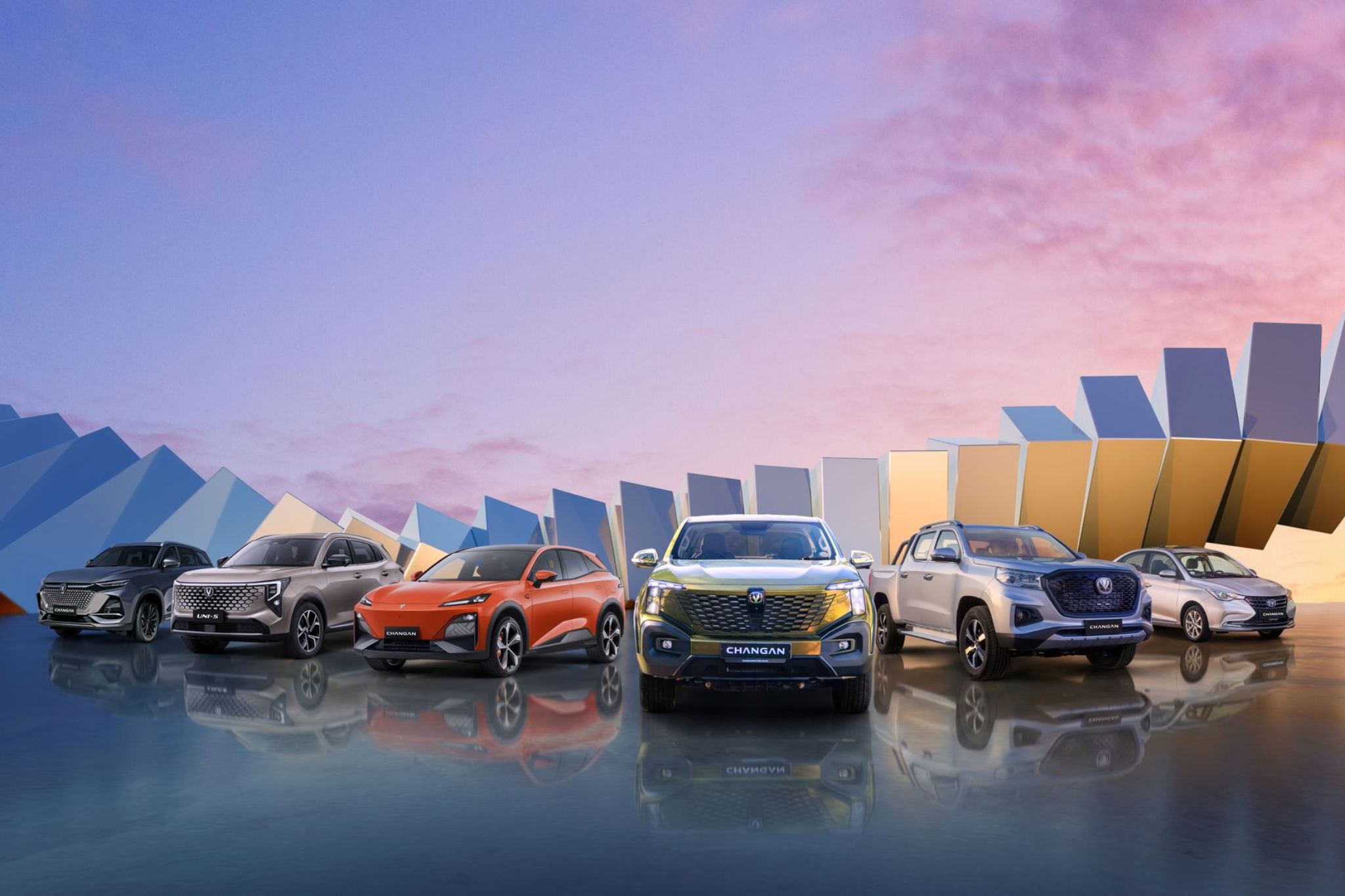
Here is the honest answer: Changan does not have meaningful resale data yet, because the brand only relaunched in South Africa in late 2025. The models that show up in the depreciation studies above (Tiggo, Jolion, P-Series) have three to four years of used-market history. Changan’s Alsvin, CS75 Pro and Hunter simply have not been on the road long enough to generate that data.
This is not a reason to assume the worst. It means resale performance is genuinely unknown rather than poor. Two things will determine where Changan lands once data exists: how many units sell in the next two to three years (volume builds used-market demand), and how the brand performs on reliability and warranty claims during that window (reputation drives resale more than almost any other single factor).
What Drives Resale Value for Any Chinese Brand
Based on the established Chinese brands that do have data, a few patterns consistently separate strong residuals from weak ones:
Sales volume matters more than almost anything else. The Chery Tiggo 4 Pro and Haval Jolion are both high-volume sellers, and high volume creates a deep pool of used buyers actively searching for that exact model. A car nobody is searching for on the used market will sit longer and sell for less, regardless of brand origin.
Warranty length is a genuine resale signal. Buyers shopping the used market for a Chinese brand actively look for remaining warranty coverage as reassurance. A longer original warranty (Changan’s 5-year / 150,000 km, for example) extends that reassurance further into the car’s life, which supports resale demand.
Segment position helps. Models that compete directly against strong-selling segments (compact SUVs, double cabs) tend to hold value better than niche body styles, simply because demand is broader.
Dealer network maturity feeds into buyer confidence. Used buyers want to know parts and service will be available for years to come. A growing, visible dealer network (which Changan is actively building through Jameel Motors) supports this confidence over time.
What You Can Do to Protect Your Resale Value
Regardless of which Chinese brand you choose, a few practical steps consistently improve resale outcomes:
Keep a full, stamped service history. This is the single biggest lever a private seller controls. A complete service record at an authorised dealer is the first thing a used-car buyer or dealer will ask for, and missing services materially reduce trade-in offers.
Choose popular models and trims over niche configurations. A well-specified, commonly chosen derivative will always have a larger pool of interested used buyers than a rare configuration, regardless of how good the rare option is.
Hold onto the original warranty documentation and owner’s manual. Complete paperwork reassures used buyers and dealers, and missing documentation is a common reason for lower trade-in valuations.
Avoid extreme mileage in the first two years. Vehicles with unusually high early mileage tend to depreciate faster in percentage terms than those with moderate, consistent use.
The Honest Bottom Line
Will your Changan hold its value? Based on how comparable Chinese brands have performed, the realistic expectation is depreciation somewhat above Toyota’s benchmark but in line with, or better than, several established Japanese and Korean rivals once enough used-market data exists. Changan specifically is too new to have a track record yet, which means the answer is genuinely “wait and see” rather than “no.”
What is not in question is the structural shift happening in the market: Chinese brands are no longer a fringe category, and the used-car ecosystem supporting them (parts, dealer networks, buyer familiarity) is growing every month. Buyers who service correctly, choose popular configurations, and keep complete documentation will get the best resale outcome the market currently allows, regardless of which brand badge is on the bonnet.


